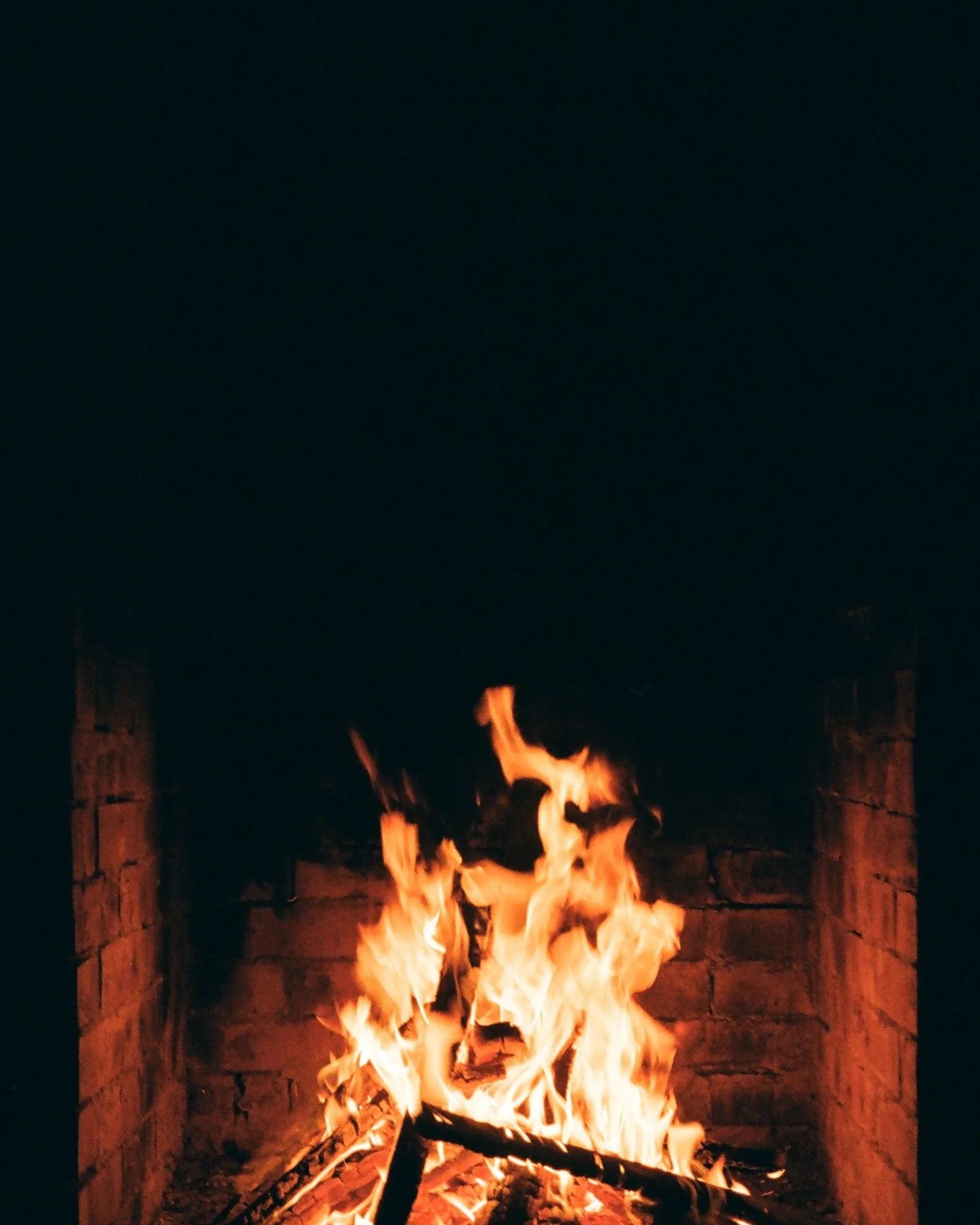
Creosote Removal for Seattle Fireplaces and Stoves
Creosote is the tar left behind when smoke cools in the flue. Damp wood and short, smoky fires make more of it, and both are common in the Northwest. Heavy buildup is typically $400 to $900.
A normal sweep removes soft soot and loose, flaky creosote. Heavier deposits are a different job. When smoke cools before it leaves the chimney, tar condenses on the flue walls, and over time it can harden into a thick crust or a shiny glaze that a brush slides right over. That layer burns hot if it catches, and it narrows the flue so the fire draws worse and makes still more smoke.
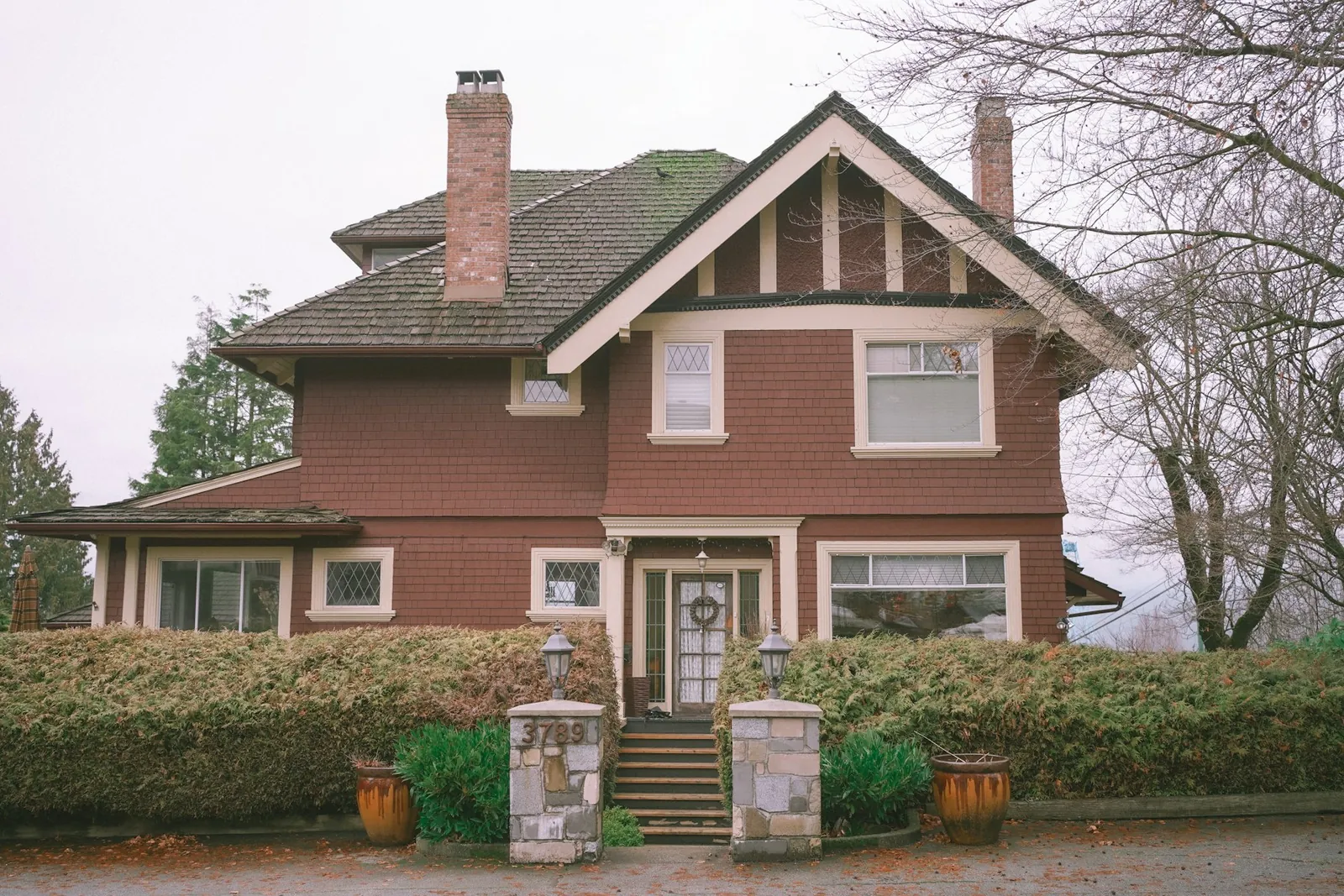
In this region the usual causes are wet firewood, a fire that is choked down to smolder, and an oversized or unlined flue that never warms up. An exterior chimney on the cold side of an old house, common on Craftsman and Tudor homes, cools the smoke even faster. We inspect first, tell you what kind of buildup you have, show you photos and price the removal before we begin, so you know whether it is a one-visit job or a longer one.
Signs you need this
- A black, tarry or shiny coating you can see above the damper
- Crusty chunks falling onto the smoke shelf or into the firebox
- A strong smoky or sour smell, worse in humid weather
- Fires that sputter, hiss or produce dark smoke
- A past chimney fire, or a loud roar heard from the flue
How we do it
- Find the typeWe inspect the flue and tell you whether the buildup is light, heavy or glazed. Each needs a different method.
- Remove heavy buildupRotary tools and stiff brushes break up thick, crusty deposits so they can be swept and vacuumed out.
- Treat glazeA glazed flue may need a chemical treatment that softens the layer over one or more visits before it can be removed.
- Check the flue afterOnce the walls are clean, we check the liner for cracks or gaps that the creosote was hiding.
Why does creosote build up so fast in the Northwest?
Moisture is the main reason. Wood that has not dried long enough spends much of its heat boiling off water, so the smoke stays cool and wet. In a region that sees measurable rain on roughly 156 days a year at Sea-Tac, firewood stacked without cover rarely dries well. Cover the top of the pile, keep air moving through it and burn only wood that is properly seasoned.
How you burn matters too. Washington's smoke rule, WAC 173-433-110, limits smoke to an average of 20 percent opacity for six minutes in any hour, outside of starting a fire. A fire that meets that limit is a hotter, cleaner fire, and it leaves less tar in the flue.
What does heavy creosote removal cost?
Heavy buildup, the crusty kind that a brush alone cannot clear, is typically $400 to $900 in the Seattle area. The spread depends on the flue size, the length of the run and how thick the layer is.
Glazed creosote is priced at the inspection, because the work depends on how much glaze there is and how it responds to treatment. Some flues clear in one visit, others need repeat treatments. We tell you what to expect before you agree.
Can creosote damage the chimney itself?
Yes. A creosote fire can reach temperatures that crack clay flue tiles and push heat into the framing around the chimney. Even without a fire, the acids in creosote and moisture slowly eat at mortar joints inside the flue.
After removal we look at the liner closely. If tiles are cracked, a stainless steel liner is the usual fix, typically $1,500 to $5,000 installed. We show you the photos before suggesting it.
FAQ
Creosote Removal questions
Is creosote removal the same as a sweep?
No. A sweep clears soot and loose creosote. Removal is for heavy or glazed layers that a regular brush cannot break up.
How much does it cost?
Heavy creosote removal is typically $400 to $900. Glazed creosote is priced at the free inspection, because the number of treatments varies.
Do creosote logs work?
They can loosen light deposits between cleanings, but they do not replace removal of heavy buildup or an inspection of the flue.
Is it safe to use the fireplace before removal?
If we find heavy or glazed creosote, we recommend not burning until it is removed, because that layer can ignite.
How do I stop it coming back?
Burn dry, seasoned wood, give fires enough air to burn bright rather than smolder, and have the flue looked at each year.
Related
Cleaning, inspections and smoke
Book online
Pick a day. We'll bring a ladder.
Free inspection in a 3-hour window: 8 to 11, 11 to 2, or 2 to 5. We call to confirm before we arrive.