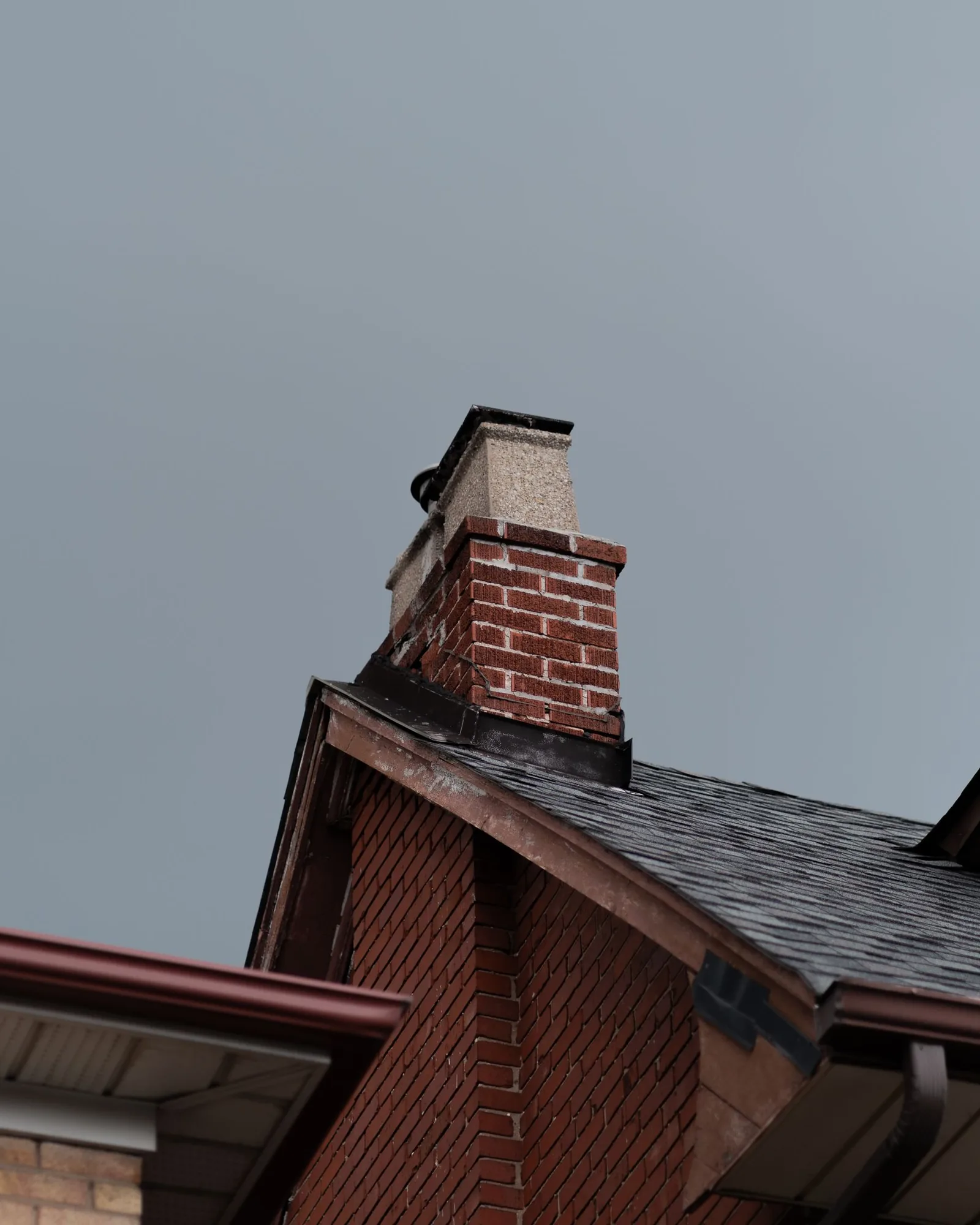
Animal and Nest Removal From Chimneys
Scratching in the wall, chirping above the damper or a sudden smell usually means something has moved into the flue. Removal is typically $300 to $750, then a cap keeps the next one out.
An uncapped chimney is a dry, sheltered hollow in a wet climate, which is exactly what birds, squirrels and raccoons look for. Many older Seattle and Tacoma chimneys never had a cap, and others lost theirs to rust or wind. Once something gets in, it can nest on the smoke shelf, fall and get stuck behind the damper, or block the flue with sticks and leaves.
We remove the animal or the nest, clean out what it left behind and then close the opening so it does not happen again. The free inspection comes first, so you know the price before any work starts. If an animal is still alive inside, we plan the removal around it rather than forcing it, and we check the damper and smoke shelf for anything it dragged in. Then we look at what let it in, whether that is a missing cap, a torn screen or a rusted chase cover.
Signs you need this
- Scratching, flapping or chirping sounds from the fireplace or wall
- Twigs, leaves or droppings falling onto the damper or hearth
- A bad smell from the fireplace, especially in warm weather
- Smoke backing up into the room when it used to draw well
- No cap on top, or a cap with a bent or rusted screen
How we do it
- Find out what is thereWe check from the roof and the firebox to see whether it is a live animal, a nest or debris, and where it sits.
- Remove itLive animals are removed or encouraged out, and nests and droppings are bagged and taken away.
- Clean the flueWe clear and vacuum the smoke shelf and flue so nothing is left to block the draft or hold odor.
- Close the topA properly sized stainless cap with a mesh screen keeps animals and rain out from then on.
Why does a nest in the chimney matter beyond the noise?
A nest blocks the path that smoke and gases use to leave the house. In a wood fireplace that means smoke in the room. In a flue that also serves a gas furnace or water heater, it can push carbon monoxide back into the home without any visible smoke at all. Seattle's own chimney repair rule warns that an old brick chimney may vent a gas water heater, which many owners do not realize.
Dry nest material also catches fire easily. Never light a fire to smoke an animal out.
What does removal cost?
Nest or animal removal is typically $300 to $750. A simple bird nest reached from the top is at the low end. A raccoon with young, a dead animal stuck behind the damper or a nest wedged deep in a long flue costs more.
A new cap is typically $250 to $850, depending on the size and whether one cap covers several flues. Many owners do both on the same visit.
How do I keep animals out for good?
A cap with a sturdy mesh screen is the main fix. It also keeps rain out of the flue, which matters in a region where Sea-Tac sees measurable rain on about 156 days a year. On a prefab chimney, the chase cover on top should be checked too, because a rusted cover can open gaps.
Trim back branches that touch the roof near the chimney. They give squirrels and raccoons an easy way up.
FAQ
Animal Removal questions
How much does chimney animal removal cost?
Typically $300 to $750 for the removal and cleanup. A cap to keep animals out is typically $250 to $850.
Should I light a fire to drive it out?
No. A live animal can get trapped, and dry nest material can catch fire inside the flue.
Can I just close the damper?
Closing the damper keeps the animal out of the room for now, but it does not remove it or the nest.
Do you deal with the smell after?
Yes. We remove nest material and droppings and clean the flue, which takes care of most odors.
How soon can you come?
We book Sunday to Friday in 3-hour windows and call to confirm. Tell us if you hear a live animal so we can plan for it.
Related
Cleaning, inspections and smoke
Book online
Pick a day. We'll bring a ladder.
Free inspection in a 3-hour window: 8 to 11, 11 to 2, or 2 to 5. We call to confirm before we arrive.