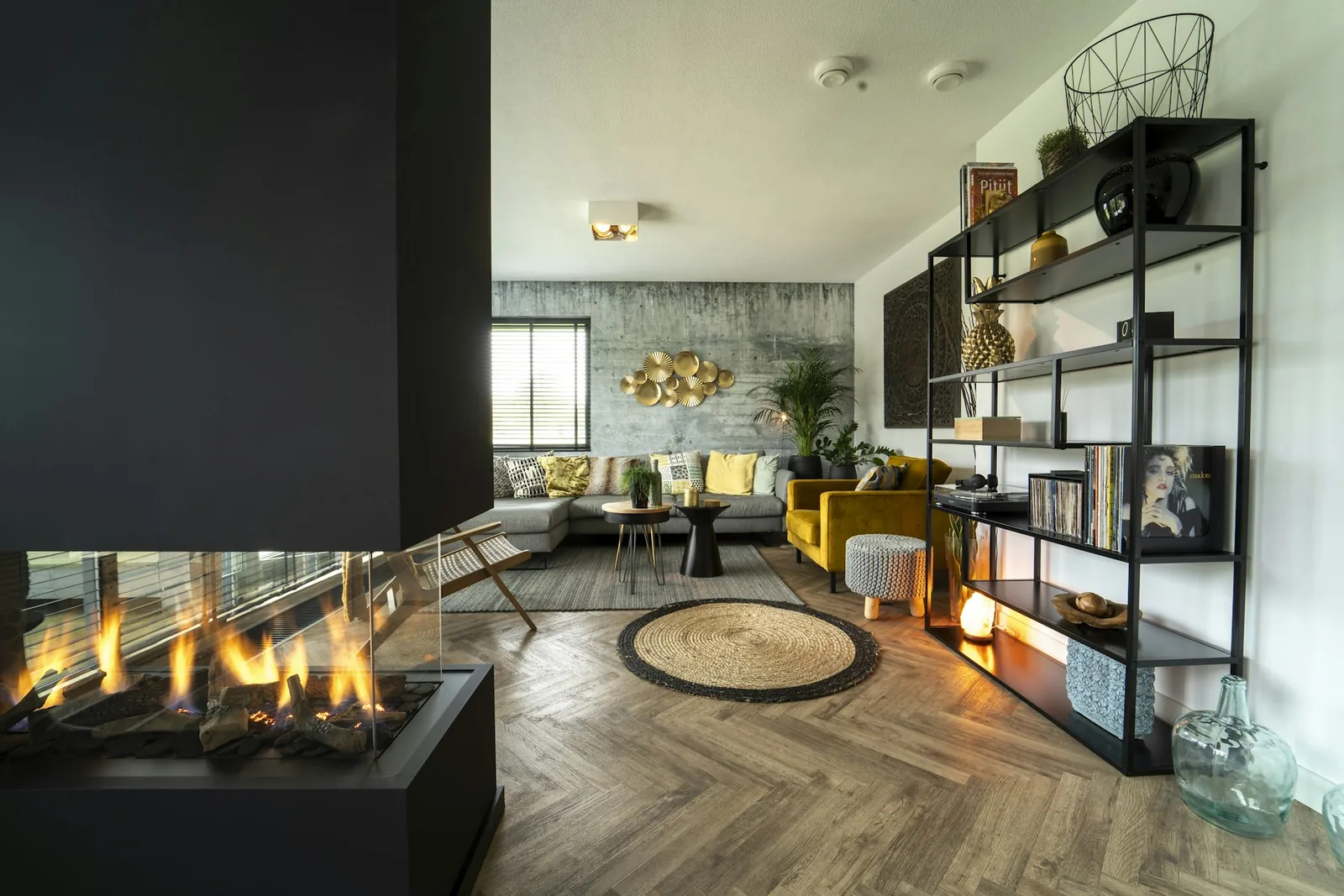
Gas fireplace won't light? The common causes in Seattle homes
Usually it is the pilot assembly: a dirty pilot, a worn thermocouple or thermopile, or a weak igniter. Dead remote or receiver batteries, a closed gas valve or a wall switch on the wrong setting cause most of the rest. If you smell gas, stop, leave the house and call your gas utility from outside.
Seattle Fireplace & Chimney · October 12, 2026
First, safety
If you smell gas near the fireplace, do not try to light it, do not flip switches, and do not use a phone inside. Leave the house and call your gas utility or 911 from outside. Everything below assumes there is no gas smell.
Also read the label or the owner's manual, usually tucked behind the lower grille. It shows the lighting steps for your model, and many no-light calls turn out to be a step done out of order.
Check the simple things
Before calling anyone, work through these. They cost nothing and solve a surprising share of problems.
- Batteries in the remote, and in the receiver box under the fireplace if there is one.
- Batteries in the ignition module on models with electronic ignition, often a single AA or D cell.
- The wall switch, and whether the remote is set to manual or thermostat mode.
- The gas shutoff valve near the fireplace: the handle runs along the pipe when open.
- The control knob on the valve, which may have been left on off or pilot.
- Other gas appliances: if the stove or water heater is also out, the problem is the gas supply, not the fireplace.
The pilot will not light
On standing-pilot models you press the knob and the igniter button and watch for a small flame. If the igniter clicks but nothing lights, the pilot orifice may be blocked by dust or spider webs, a common find after a summer off, or the igniter may be weak or misaligned. If there is no click at all, the igniter itself may have failed.
On electronic-ignition models, a no-light usually comes back to batteries, the control module, or the flame sensor.
The pilot lights, then goes out
This is the most common problem we see. The pilot heats a thermocouple, a small probe that tells the gas valve it is safe to stay open. When the thermocouple wears out or the pilot flame is weak or lifting off it, the valve shuts the gas off as soon as you let go of the knob. Cleaning the pilot assembly sometimes fixes it; often the thermocouple needs replacing.
The pilot stays lit but the burner will not come on
Many gas fireplaces run on a thermopile, a larger version of the thermocouple that makes enough electricity to open the main valve. As it ages it produces less, and the burner stops responding to the switch or remote. A loose wire at the switch, a failed receiver, or a faulty valve can cause the same symptom. Testing the thermopile's output takes a meter, and it tells you right away whether it is the part or the wiring.
If the flame lights but looks yellow and lazy, leaves soot on the glass or logs, or the logs have been moved, that is a different problem. Stop using it and have it serviced, since poor combustion can raise carbon monoxide.
Why a working gas fireplace matters here
In the Seattle area, gas is the fireplace that still works on burn-ban nights. The Puget Sound Clean Air Agency allows natural gas and propane stoves and inserts in both Stage 1 and Stage 2 bans. Census data (American Community Survey, 2020 to 2024) shows close to half of homes in Bellevue, Kirkland and Edmonds heat with utility gas, and most newer townhomes we see have gas fireplaces.
A yearly service keeps the pilot, thermocouple and burner clean and catches problems before the first cold night. It is also a good time to check CO alarms. Washington law (RCW 19.27.530) requires them in homes, and a seller must have them in place before a buyer moves in.
Typical 2026 ranges: a yearly gas fireplace service $150 to $350; a pilot assembly, thermocouple or igniter repair $100 to $350; a valve or control board $300 to $1,000. Most gas fireplace repairs fall between $150 and $1,000. We give you a written price before any work, and we book Sunday to Friday in 3-hour windows and call to confirm.
FAQ
More answers
Can I use my gas fireplace during a burn ban?
Yes. The Puget Sound Clean Air Agency says natural gas and propane stoves and inserts are OK in both Stage 1 and Stage 2 bans.
Does a gas fireplace need yearly service?
Yes. Gas burns cleaner than wood, but pilots clog, thermocouples wear, logs shift and vents can be blocked by nests or debris. A yearly service checks all of it.
Will my gas fireplace work in a power outage?
Many standing-pilot models will, because the thermopile makes its own power; the blower will not run. Some electronic-ignition models need batteries or house power. The owner's manual says which you have.
Should I keep holding the knob longer to get the pilot to stay lit?
The lighting label gives the hold time for your model. If it still goes out every time, the thermocouple or pilot flame is the likely cause, and holding longer will not fix it.
Keep reading
More from the blog
 Can I use my fireplace during a burn ban in Seattle?What Stage 1 and Stage 2 burn bans mean for wood fireplaces, certified stoves, pellet stoves and gas fireplaces in King, Pierce, Snohomish and Kitsap.
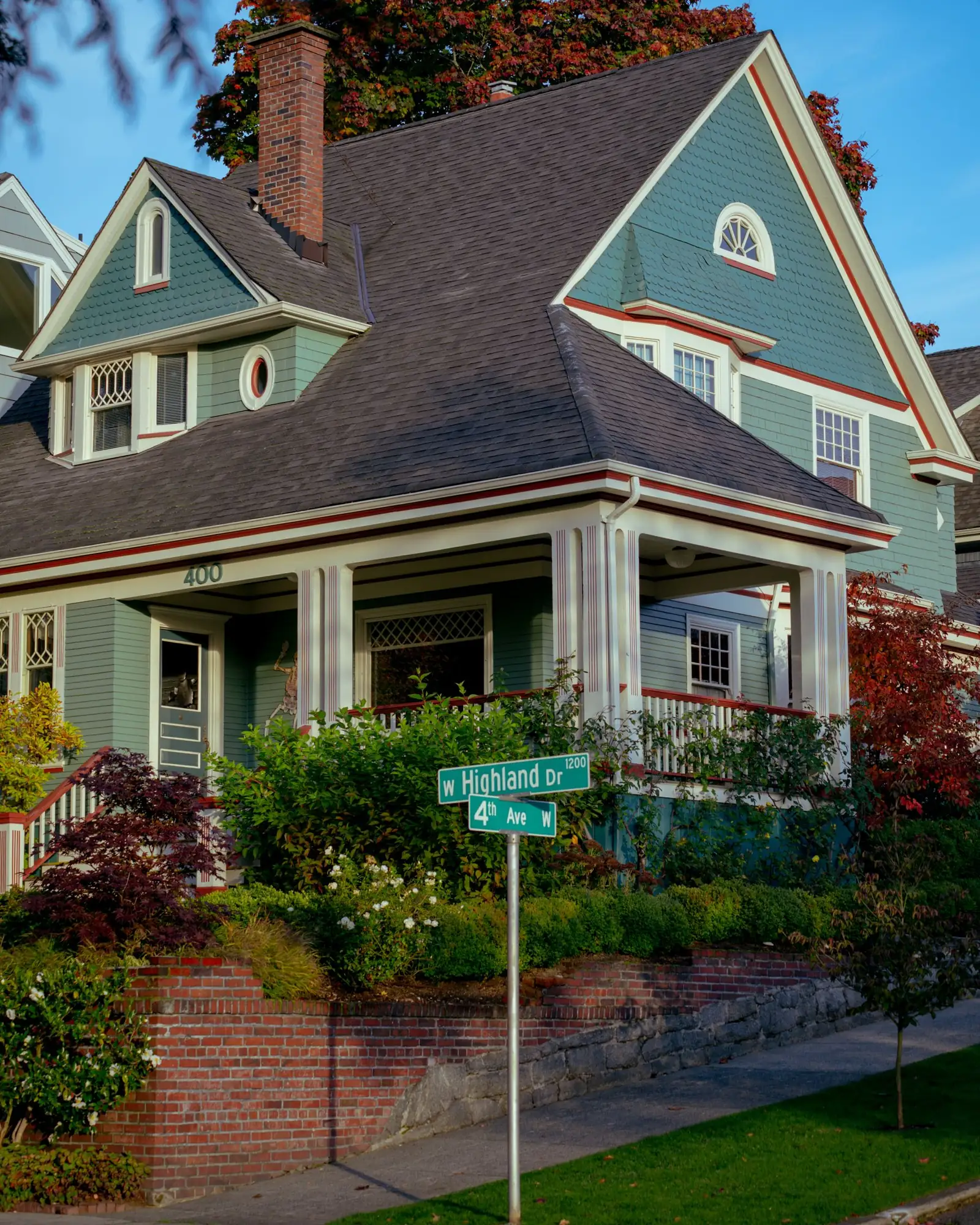 Do I have to remove an old wood stove before selling my Washington home?Washington does not require removing an uncertified wood stove before a home sale. What Form 17 asks, the Tacoma zone exception, and your options.
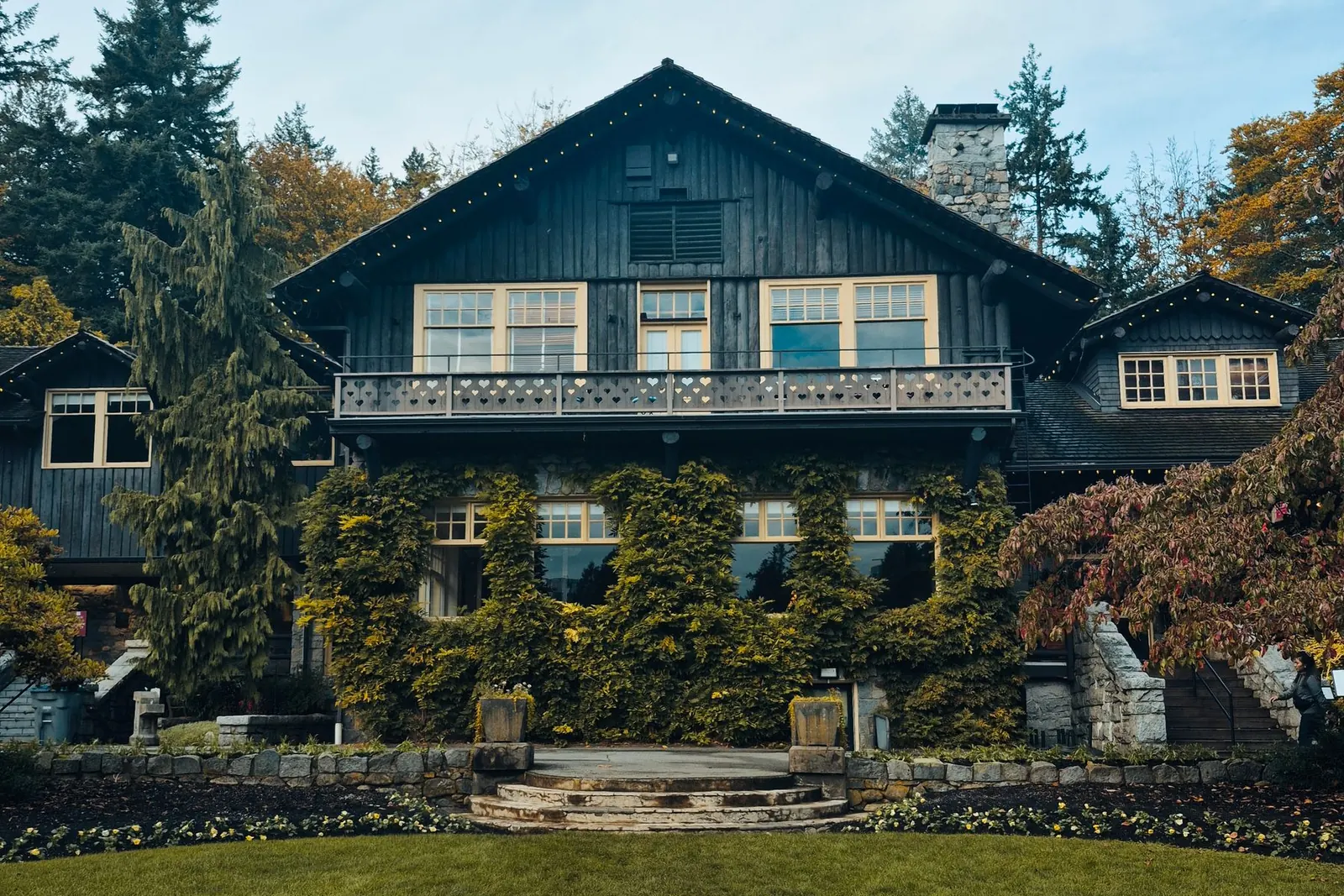 Tacoma's old wood stove rule and the $500 recycling paymentSince 2015, uncertified wood stoves are illegal to use in the Tacoma-Pierce Smoke Reduction Zone. How to check the zone and claim PSCAA's $500 payment.
Book online
Pick a day. We'll bring a ladder.
Free inspection in a 3-hour window: 8 to 11, 11 to 2, or 2 to 5. We call to confirm before we arrive.